


The 2025 report of the Lancet Countdown on Health and Climate Change is one of the most comprehensive report on climate change and health. The report is authored by more than 128 multidisciplinary experts from around the world, reflecting expertise from public health, climate science, economics, medicine, and social sciences. Together, they analyse 20 indicators that track how climate change affects health risks, exposures, and impacts. Alarmingly, 12 of these indicators(60 %) have reached concerning new records in the most recent year with available data, highlighting how quickly risks are accelerating.
Recognized for its real-world impact, the Lancet Countdown received the 2026 GAEA award for bridging evidence to action, presented by the World Economic Forum. The award honours initiatives that successfully translate high-quality scientific evidence into policies and actions that matter. The award acknowledges how the Countdown turns complex climate–health data into insights that decision-makers can actually use.
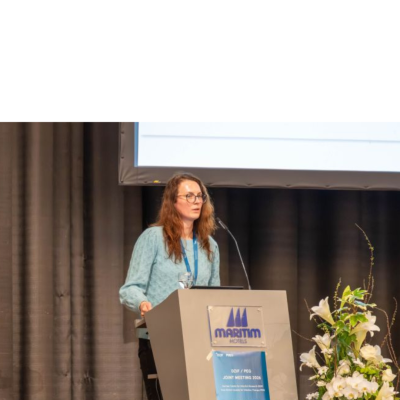
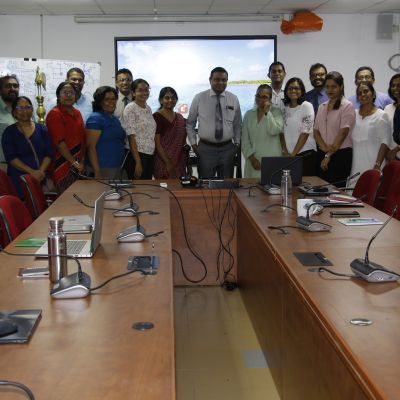
Researchers from Heidelberg University’s Hei-Planet play a key role in this global effort. Prof. Dr. Joacim Rocklöv, Dr. Hedi Katre Kriit, Dr. Marina Treskova, Pratik Singh, and Julian Heidecke contributed to the 2025 report. In particular, Hei-Planet researchers lead the indicator analyses on Dengue and West Nile virus, providing critical evidence on how climate change is altering the spread of mosquito-borne diseases.
Dengue
Dengue is one of the fastest-growing climate-sensitive health threats worldwide. Comparing the period 1951–1960 with 2015–2024, the average climate-defined transmission potential of dengue increased by 48.5% for Aedes albopictus and 11.6% for Aedes aegypti– the two main mosquito species responsible for transmission.
Rising temperatures are not acting alone. The global burden of dengue is being amplified by increased human mobility, rapid urbanization, and increasingly favorable climatic conditions for mosquitoes. Between January and April 2024, the World Health Organization reported 7.6 million dengue cases worldwide, three times more than during the same period in 2023. These cases included over 16,000 severe infections and around 3,000 deaths.
Within the Lancet Countdown, dengue risk is assessed by tracking the basic reproduction number (R₀). The indicator framework integrates temperature, rainfall, daylight duration, and human population density. Using the same approach, researchers also observe rising reproduction numbers for the Zika virus and Chikungunya , signalling broader increases in mosquito-borne disease risks.
West Nile Virus
West Nile virus is a zoonotic disease transmitted primarily by Culex mosquitoes. As temperatures rise, the geographic range and transmission suitability for West Nile virus continue to expand.
Based on data from three key Culex mosquito species, the Lancet Countdown shows that the basic reproduction number for West Nile virus increased by 0.7% when comparing the 2015–2024 time period with the 1951–1960 time period.
Together, these findings underline the fact that climate change is already reshaping infectious disease risks worldwide. By connecting rigorous science with policy-relevant indicators, the Countdown aims not just to document these changes, but to help societies act before the health impacts grow even more severe.
Read the Lancet Countdown on Health and Climate change report here: https://www.thelancet.com/journals/lancet/article/PIIS0140-6736(25)01919-1/fulltext