
Skip to main content Scroll Top

Changing Risks in Climate-Sensitive Infectious Diseases: Methods of Understanding

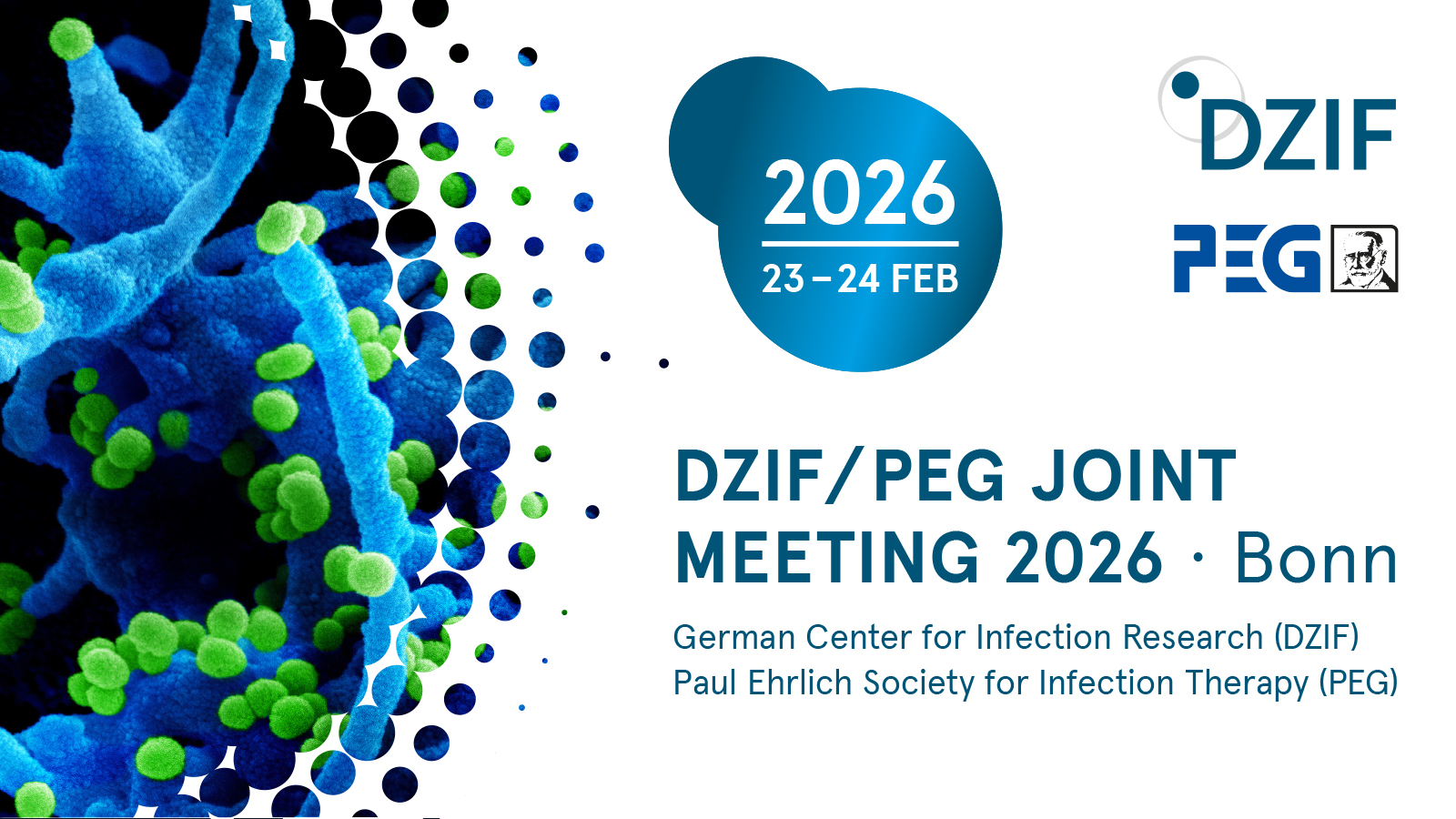
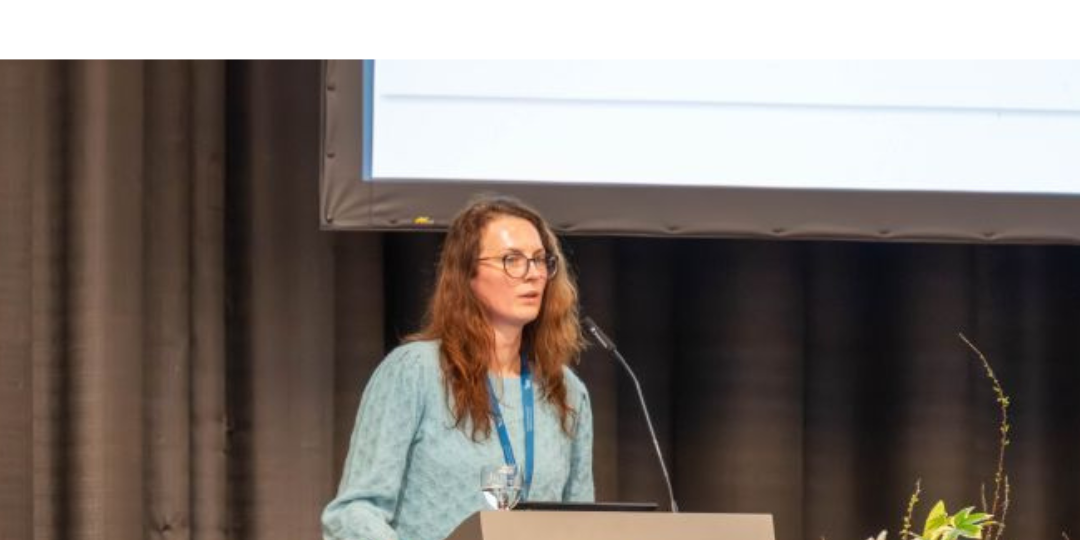
At the Joint Meeting of the German Center for Infection Research (DZIF) and the Paul-Ehrlich Society for Infection Therapy (PEG), held in February 2026 at the Maritim Hotel Bonn, Dr. Marina Treskova delivered an invited lecture titled “Changing Risks in Climate-Sensitive Infectious Diseases: Methods of Understanding.”  The meeting brought together researchers and public health experts to discuss current challenges and advances in infectious disease research.

The conference highlighted the complexity and strong necessity of interdisciplinary research in the field of infectious disease research. In the context of global challenges, including the growing problem of antimicrobial resistance and the persistent threat of epidemic and pandemic events, the need for closer collaboration between disciplines was emphasized for improving prevention, preparedness, and response to infectious threats. A wide range of sessions addressed topics including drug research, development, and application, the growing threat of antibiotic resistance, climate-sensitive infectious diseases, and the latest findings on interactions between hosts and pathogens.

Learn More: https://www.dzif.de/en/event/dzifpeg-joint-meeting-2026

All image credits © DZIF/PEG Joint Meeting 2026
Recent posts
Clear Filters

Last month, Uliana Kachnova and Angelica Carrillo, our researchers in the TULIP project visited the Istituto Superiore di Sanità (ISS)…

Climate and environmental changes are unequally affecting populations around the world. The triple planetary crisis is an unequal global health crisis as well. In this scenario, how can health equity be achieved amidst the triple planetary crisis?

In the comment “Rising health inequities require looking beyond health systems” published in Nature Human Behaviour, scientists are addressing this significant question.

This publication is the result of a collaboration within Heidelberg University’s Flagship Initiative Climate-Life-Nexus, which aims to advance interdisciplinary research on the interconnected challenges of climate change and health. This article summarises key arguments and takeaways from the comment.

Why are cities particularly vulnerable to the impacts of climate change? How are they currently implementing climate actions? How can cities harness maximum health co-benefits while reducing GHG emissions? The Lancet Countdown Europe Cities Report 2026 addresses these key questions through extensive data analysis for around 850 European cities. This article summarises key takeaways from the report.

Senani Dayabandara from Hei-Planet recently visited Kenya as part of the ongoing work on the AfroGrow project. Here, she shares…

🌳🚶‍♀️😄 We decided to take a break and go hiking! And everyone looks happier, for sure! ☀️🌿🙌 From Hei-Planet retreat…

The One Health Summer School 2026 (17–28 August) brought together early-career researchers, practitioners, and students for an intensive two-week learning…