
Scroll Top

AfroGrow Virtual Kick-Off Sets the Stage for Sustainable Agroforestry in Africa

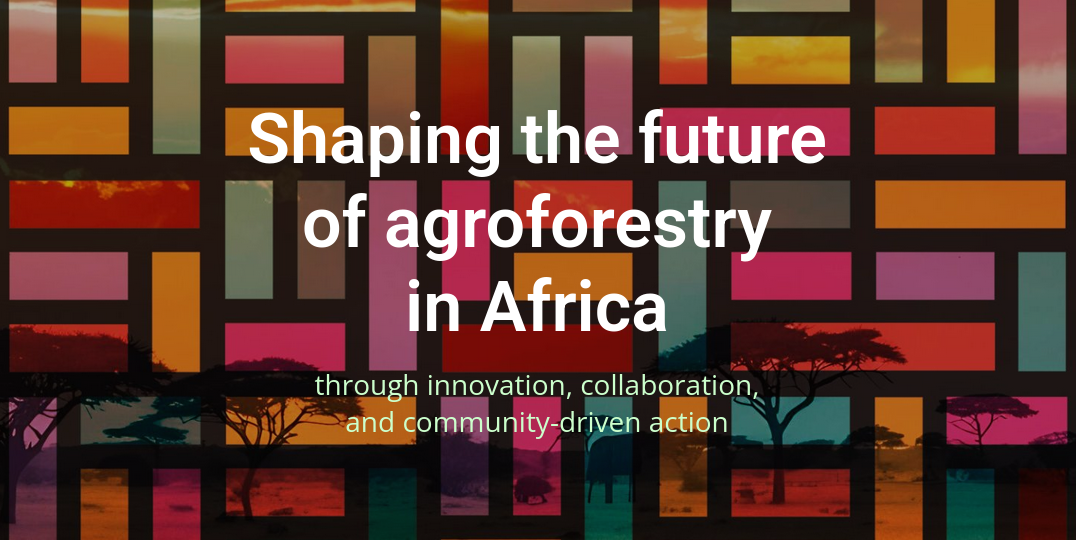
On January 14, 2025, the AfroGrow project held its virtual kick-off meeting, officially launching this EU-funded initiative dedicated to advancing agroforestry Living Labs for sustainable African growth.

Coordinated by the Eratosthenes Centre of Excellence (ECoE), the project, which began on January 1, 2025, brings together 25 partners from 15 European and African countries to foster sustainable growth through agroforestry systems that enhance climatic resilience and support biodiversity, implemented through six Living Labs across Africa.

With a budget of nearly €6 million, the project is set to drive innovation, encourage circular practices, and reinforce EU-AU partnerships to address urgent challenges such as climate change, land degradation, and socio-economic inequalities.

The event opened with a welcome by Prof. Diofantos Hadjimitsis, Managing Director of ECoE, who expressed his confidence in the project’s future: “AfroGrow is going to be a four-year journey, and I am confident it will succeed.”  

The meeting also featured presentations from consortium partners, including Ioannis Varvaris, the Deputy Research Coordinator of ECoE, who provided an overview of AfroGrow’s implementation strategy and key objectives.

Looking ahead, partners will convene in Kenya from March 10–12, 2025, for an in-person meeting to align on a shared vision and ensure AfroGrow’s activities address real-world challenges and opportunities.

Recent posts
Clear Filters

Publications by various members of Hei-Planet are now available in our Zotero group library. This is a developing collection, and…

How citizen science data can be effectively used to enhance public health surveillance and prevention strategies for tick-borne encephalitis (TBE)?

Planetary health is getting increasingly affected by intersecting global crises, including climate change, biodiversity loss, and the degradation of essential ecosystems. Although significant progress has been made in understanding how climate influences vectors and vector–pathogen dynamics, evidence remains limited and uneven regarding the combined effects of multiple environmental stressors. In the newly published article, authors emphasise the need for integrating experiments, field observations and mechanistic, scenario-based modelling.

The changing climate has a profound impact on current weather conditions. Currently, Heidelberg and Europe in general are experiencing extremely…

In May, Stella Dafka, Climate Impacts on Infectious Diseases Group Leader at Hei-planet, attended the European Geosciences Union General Assembly 2026 in…