

As part of the EU-funded IDAlert (Infectious Disease Decision-support tools and Alert systems) project, Dr. Joachim Rocklöv and doctoral candidate Julian Heidecke recently conducted a field visit to Costa Brava, a region in northeastern Spain . The region is known for its natural landscape affected by periodic flooding making it an excellent site for investigating the interplay between ecological dynamics and disease transmission.
The meeting was hosted by Dr. Frederic Bartumeus from CEAB (Centre d’Estudis Avançats de Blanes), Blanes (Girona, Spain), as part of the IDAlert initiative.
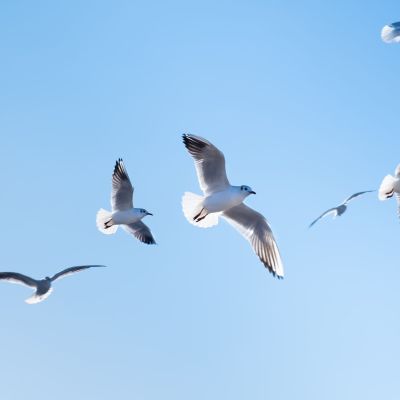
Field site in Costa Brava is both a popular birdwatching destination and home to a large mosquito population. The site has been studied to understand the environmental factors influencing the transmission of West Nile Virus (WNV). WNV disease is a severe disease that is transmitted between birds, mosquitoes, and humans. Mosquitoes become infected after biting an infected bird and virus then multiplies within the mosquito, it is eventually transmitted to humans through mosquito bites.
A key hypothesis of the research is that higher bird species diversity may reduce the risk of WNV transmission . This idea, known as the “dilution effect,” suggests that more diverse ecological communities can limit the spread of disease through various mechanisms.
Fieldwork in Costa Brava is part of the IDAlert project’s broader mission, which focuses on addressing the emergence and transmission of pathogens to strengthen Europe’s resilience to health threats linked to infectious diseases and the impacts of climate change. The project aims to develop and enhance decision-support tools, generate new scientific knowledge, and create resources to improve evidence-based decision-making and public health responses.