
Research Project
One Health Integrated Surveillance for Zoonotic Diseases: A Case Study of Leptospirosis in Sri Lanka (OHIS-ZOO)
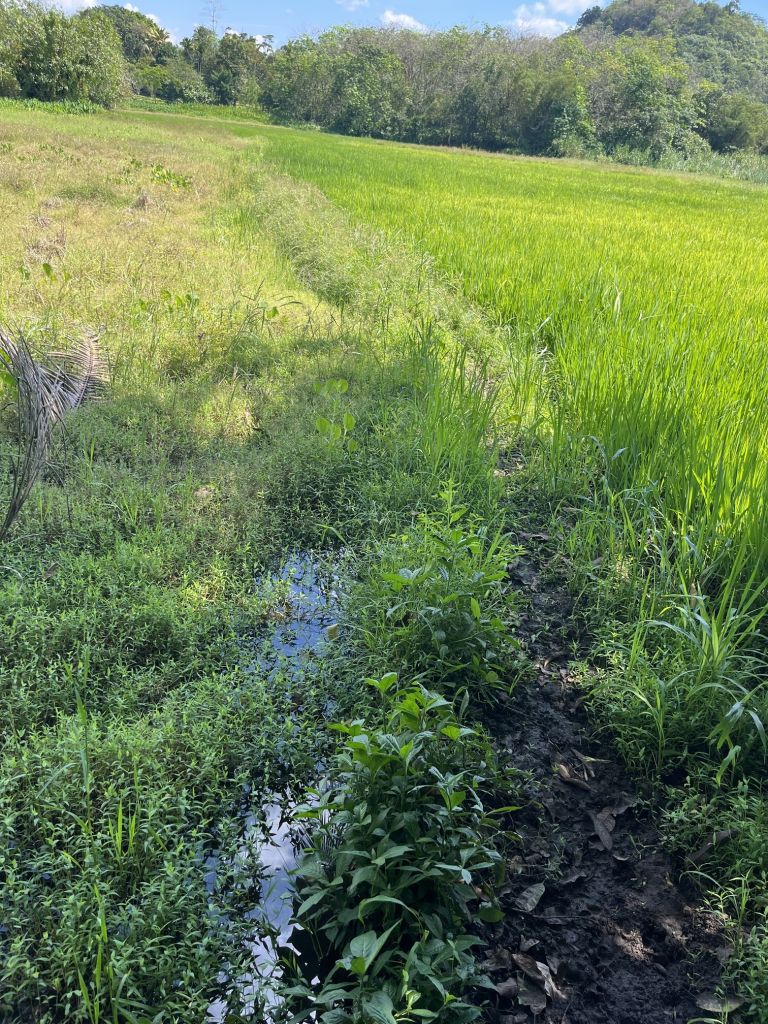
The One Health Integrated Surveillance for Zoonotic Diseases: A Case Study of Leptospirosis in Sri Lanka (OHIS-ZOO) project aims to strengthen the early detection and prevention of leptospirosis outbreaks through a proactive One Health (OH) approach. Leptospirosis is a zoonotic disease caused by the bacterium Leptospira. The infection usually spreads through water and soil that is contaminated by the urine of infected animals. The risk of leptospirosis often increases after extreme rainfalls or floods, when people come into contact with contaminated water or soil. Leptospirosis is a significant public health risk in Sri Lanka. The disease shows clear seasonal variability, closely linked to the country’s monsoon patterns. Most cases of the disease occur as a result of occupational exposure during paddy cultivation, particularly during planting and harvesting seasons, and outbreaks commonly occur following periods of heavy rain leading to floods. The OHIS-ZOO project aims to develop a driver-based integrated One Health surveillance system for leptospirosis by systematically linking epidemiological, environmental, animal, and laboratory data.
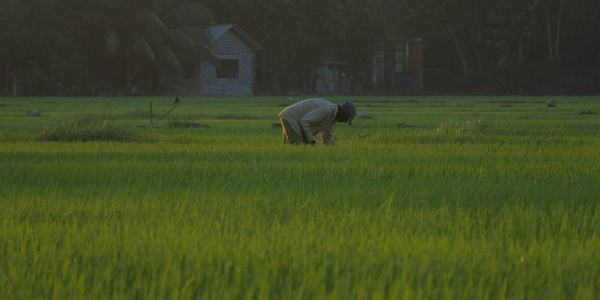
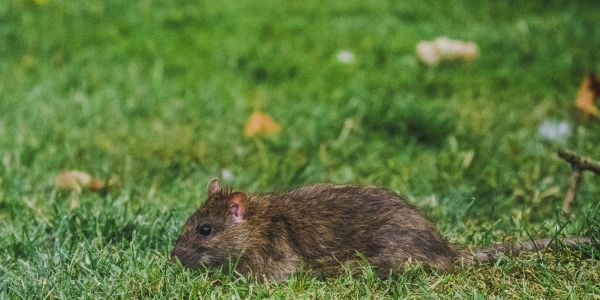
The project framework builds on existing human disease surveillance data, including demographic characteristics, socio-economic factors, and clinical outcomes. In addition, the project introduces new and innovative data streams to better understand drivers of leptospirosis and transmission dynamics at the hyperlocal environments. These include:
Climate Indicators and Environmental Data
- El Niño events
- Local rainfall
- Temperature
- Land use patterns
- Flood-prone areas
Pathogen Surveillance Data from
- Animal reservoirs (particularly rodents)
- Water resources
- Immuno-physiological profiling of rodents to identify their reservoir competency
The OHIS-ZOO project also effectively combines the community perceptions of disease risk and expert knowledge from both local and international specialists.
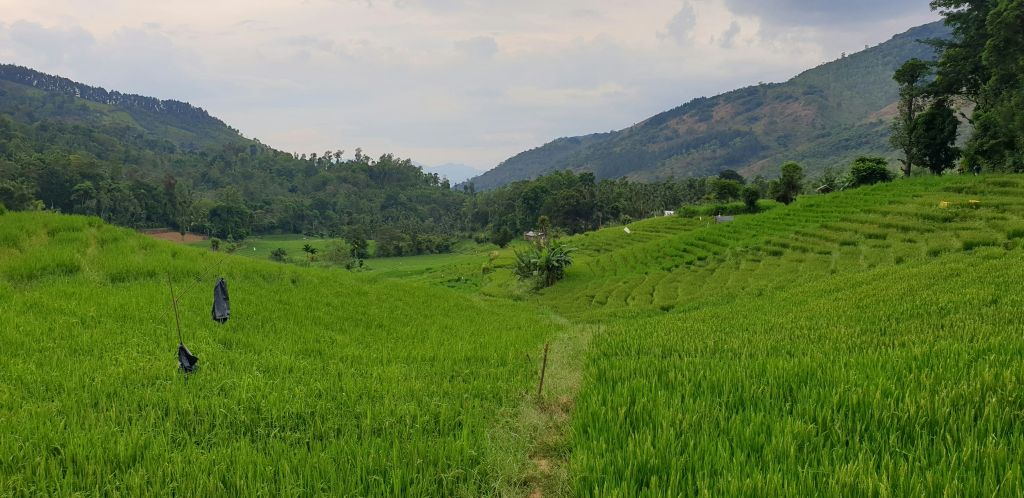
OHIS-ZOO will identify stakeholder needs and community perspectives, specify the end-user requirements, and collect field data at established sampling sites within an integrated data collection system. These newly collected datasets are analysed using AI and other advanced data analytics to predict the risk across time and space to generate actionable insights. The local capacity is strengthened, and knowledge exchange with international communities is enhanced through the GLOHRA network. Through systematically identifying gaps in the existing surveillance system and adding new data streams, the Integrated One Health Surveillance platform is co-developed to connect human, animal, and environmental health intelligence for coordinated decision-making.
Our focus
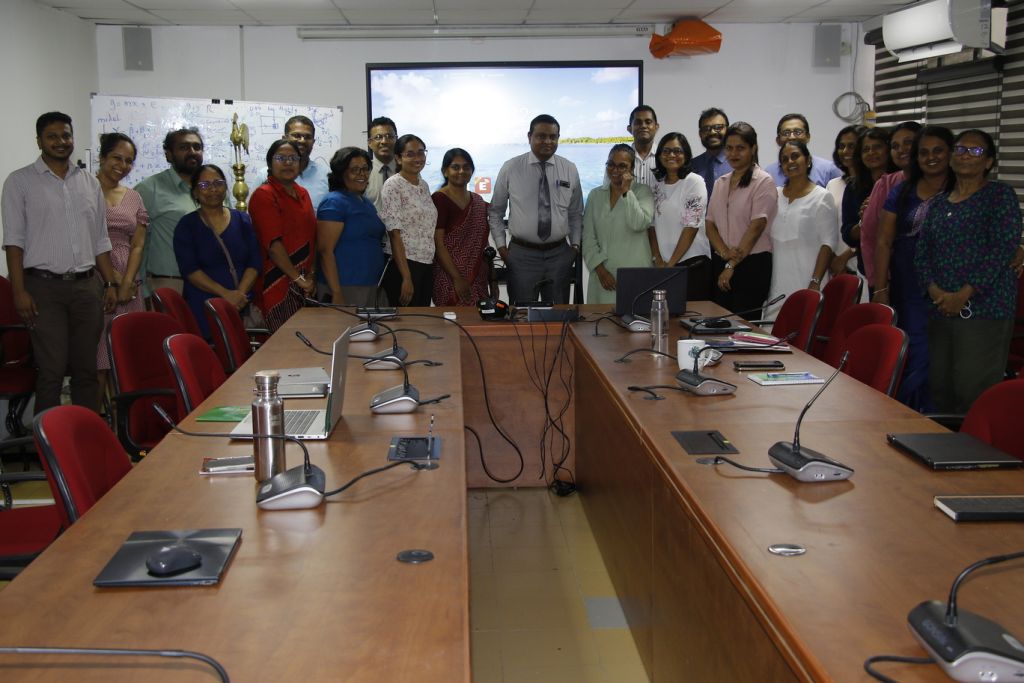
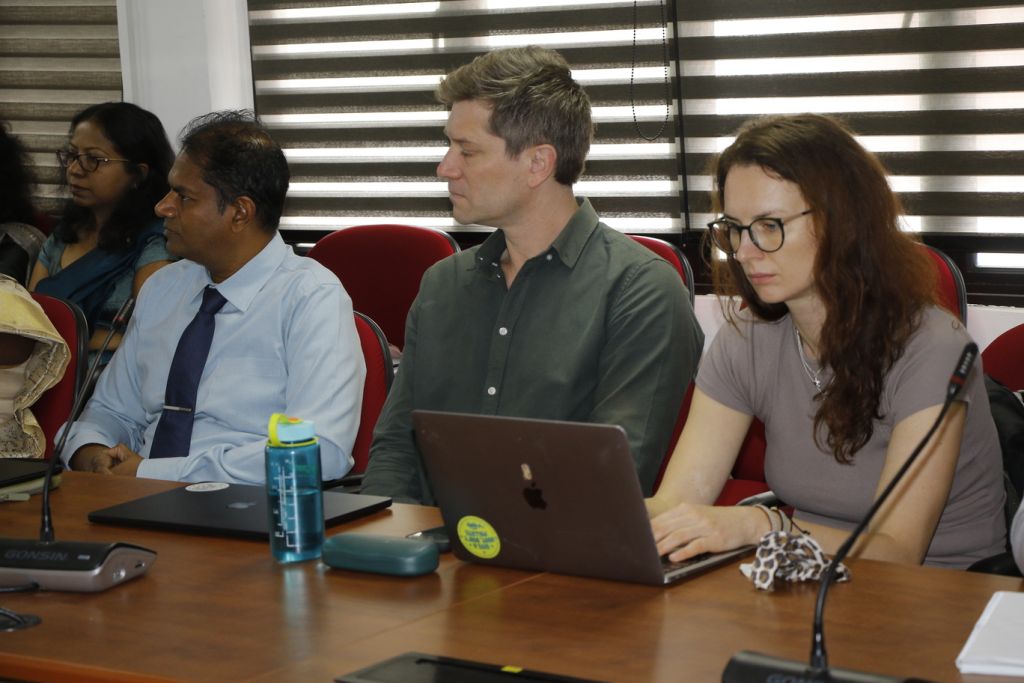
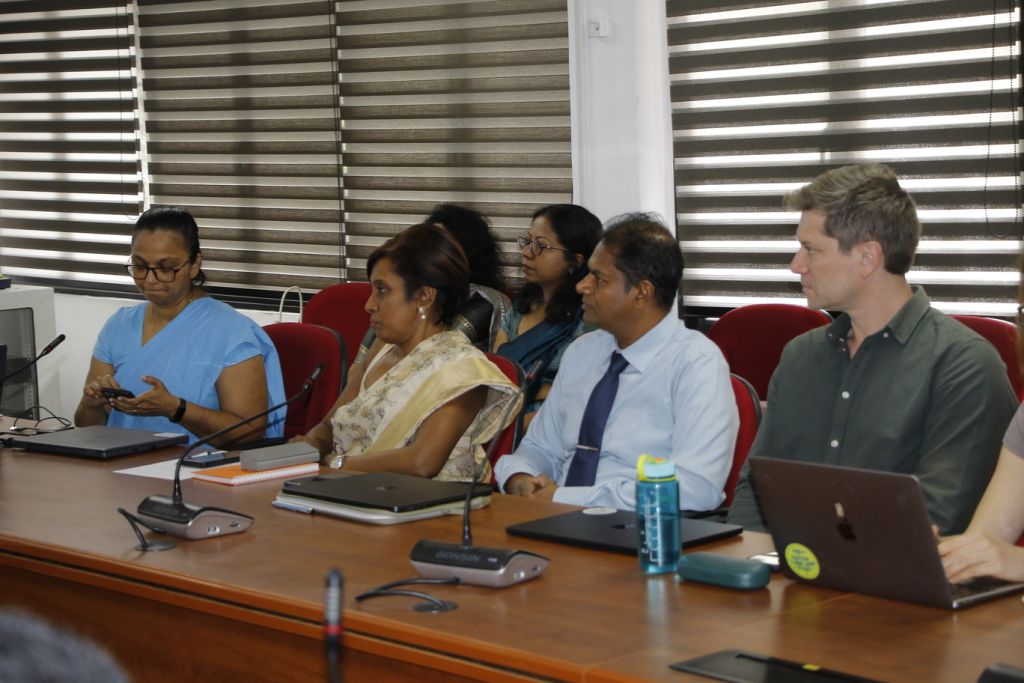
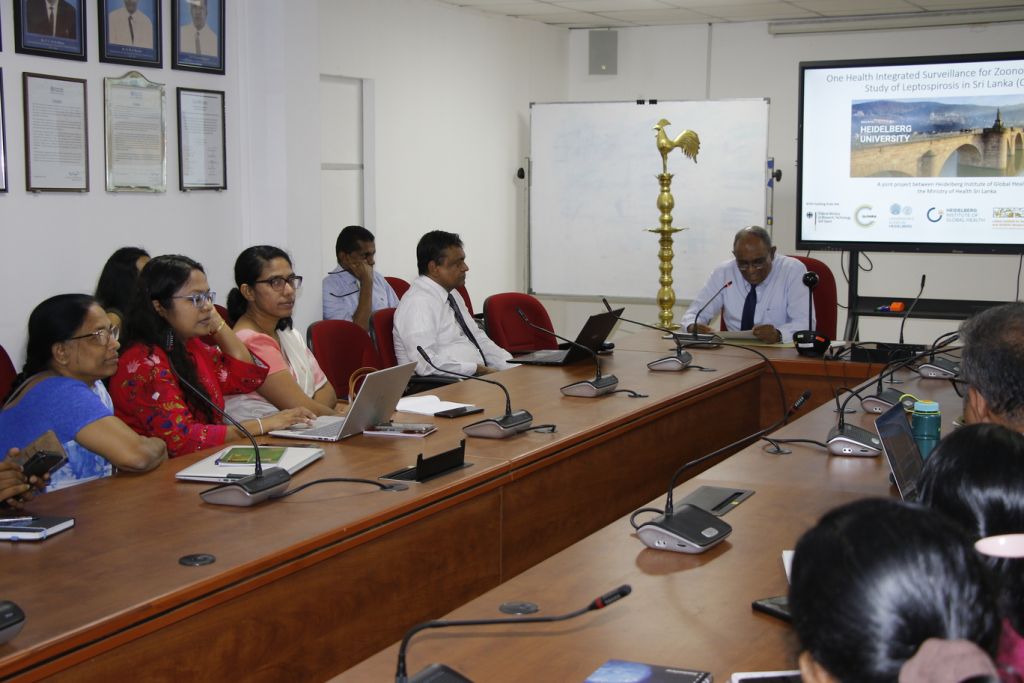
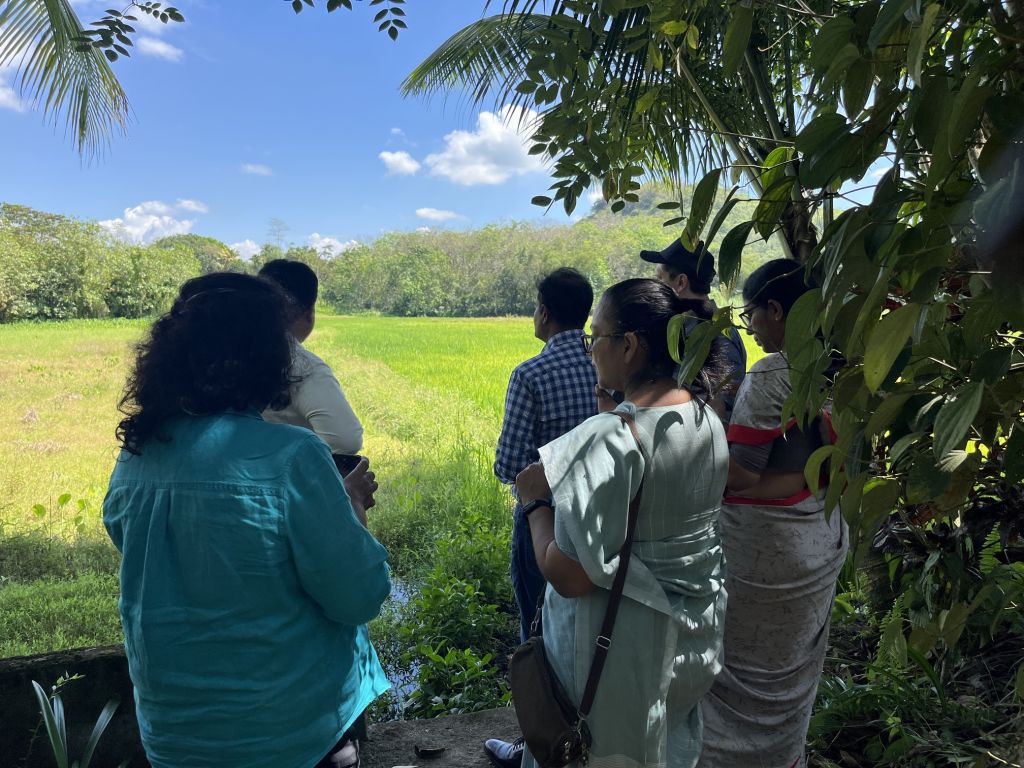
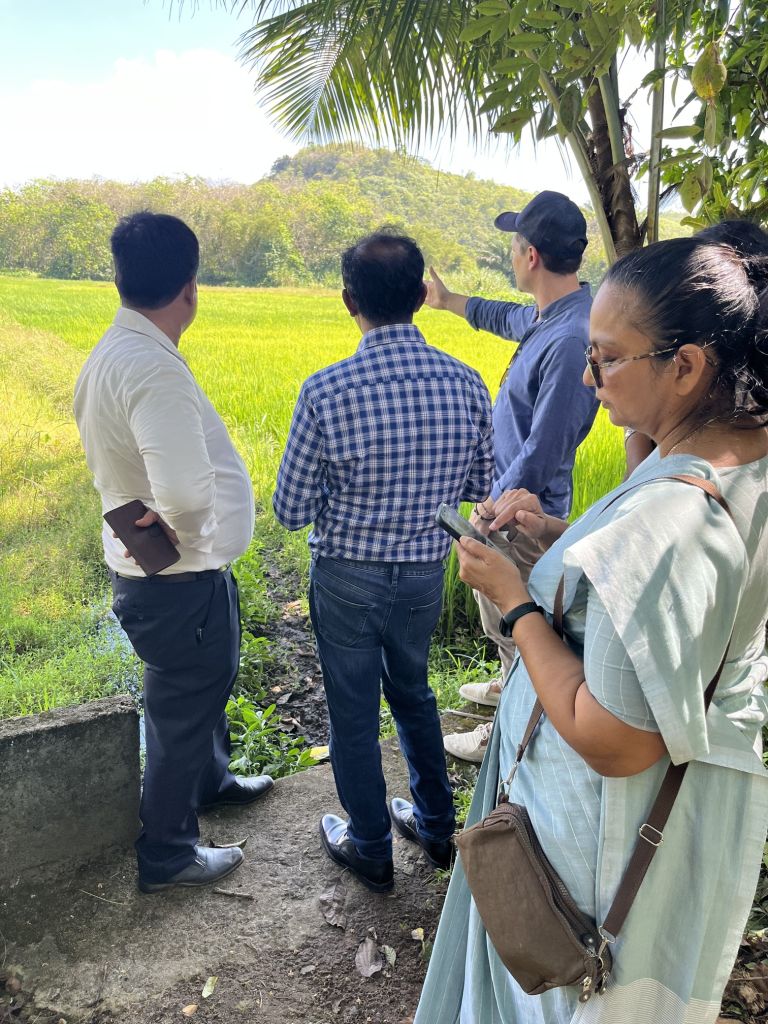
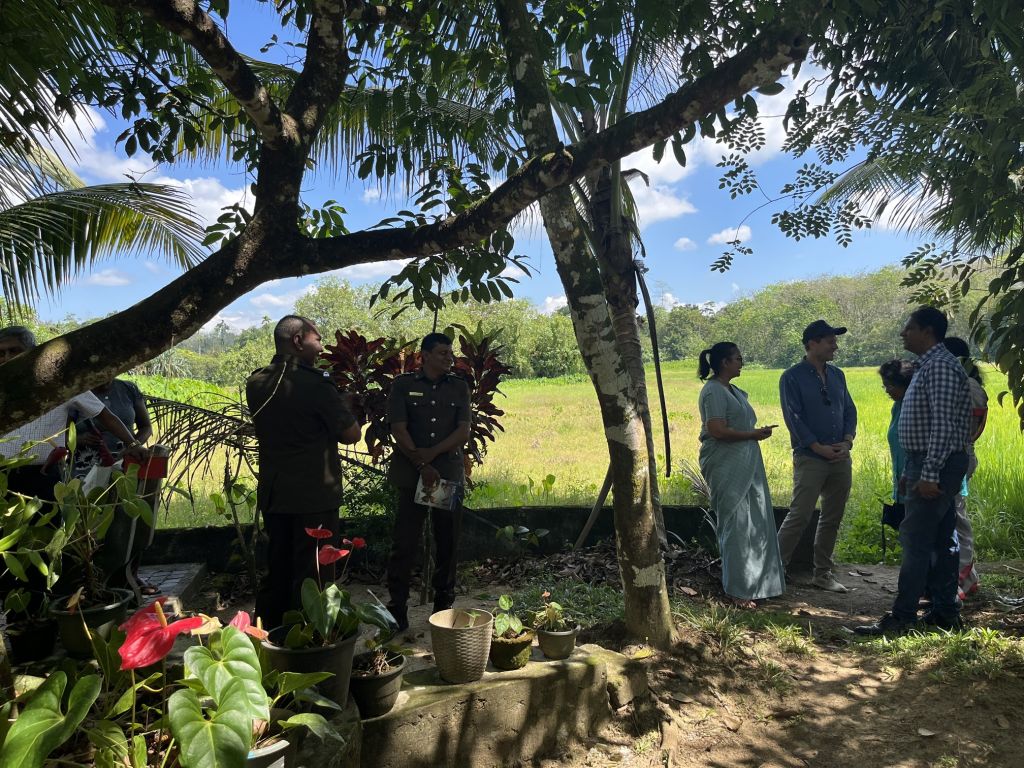
Kick-off meeting in Sri Lanka
Field Visits
Project Leader

Prof. Dr. Joacim Rocklöv
Joacim is an Alexander von Humboldt Professor and the group leader of the Climate-Sensitive Infectious Disease lab at the Planetary Health Hub at Heidelberg University. His research is breaking disciplinary boundaries by integrating a wide range of unconventional and critical areas including epidemiology, global health, infectious diseases, ecology, socioeconomics, climate change, modeling, and machine learning, and developing predictive and scenario-based modelling.
joacim.rockloev(at)uni-heidelberg.de
Project Leader
Prof. Dr. Alex Greenwood
Alex D. Greenwood is Head of the Department of Wildlife Diseases at the Leibniz Institute for Zoo and Wildlife Research and Professor of Wildlife Diseases at the Freie Universität Berlin in the Department of Veterinary Medicine in Germany. Prof. Greenwood’s group is active in evolutionary virology focusing on retroviruses and herpesviruses. He is investigating how herpesviruses spread in the environment and from one species to another.
greenwood@izw-berlin.de

Principal Investigator (Sri Lanka)

Dr. Thushani Dabrera
Project Coordinator

Senani is the OHIOS-ZOO project coordinator (Heidelberg) and a research assistant with a Master of Philosophy in Molecular Biotechnology.