

Scroll Top

Research group

Modeling the risk of WNV in vector, animal, and human populations in Germany

Modeling the risk of WNV in vector, animal, and human populations in Germany is a project designed with the objective of enhancing the surveillance and risk assessment of West Nile Virus (WNV) in Germany through the development of innovative modelling approaches.  By using three different modelling approaches, the project will enable early detection, improved preparedness, and effective prevention of WNV outbreaks. The modelling approaches that are used include

(i) data-driven models for the assessment of current conditions, short-term predictions, and early warning systems

(ii) ecoepidemiological models of transmission dynamics integrating WNV thermal biology

(iii) scenario-based projections under climate change
Significance of this project within the current research landscape in Germany

55

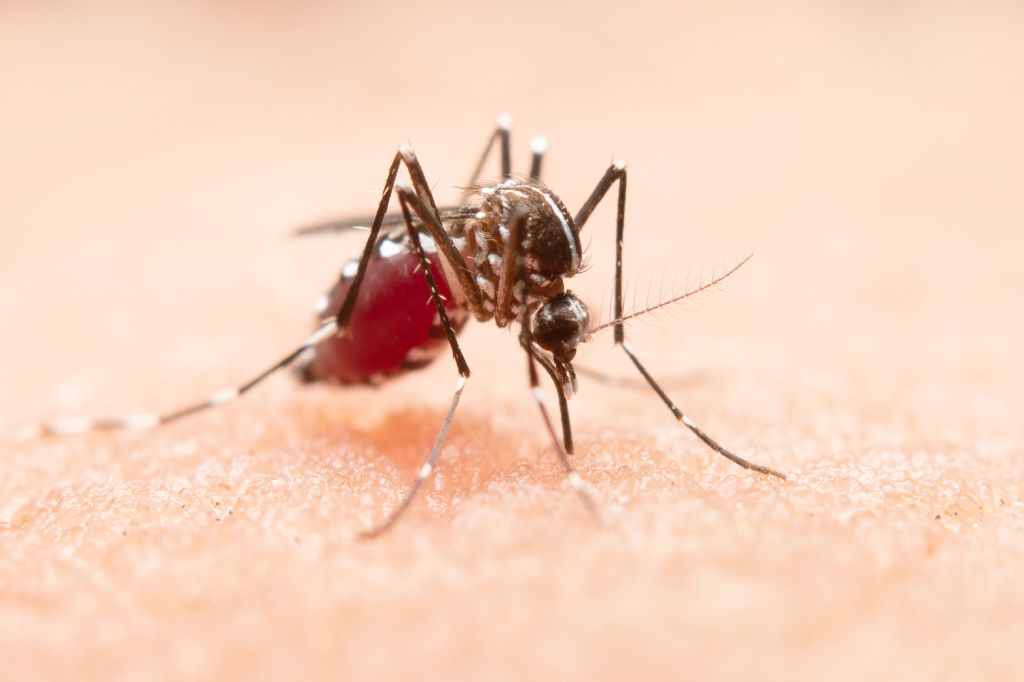
WNV is mainly transmitted to birds and mammals, including humans, by mosquitoes of the genus Culex. While many infections are asymptomatic, cases of severe neuroinvasive disease can occur, especially in the elderly and immunocompromised individuals with are no approved vaccines or therapeutic drugs for human use. WNV poses a growing threat to public and veterinary health in Europe, with endemicity establishing in the Berlin and Brandenburg area since 2018.

Climate change is expected to increase the geographical expansion and frequency of WNV outbreaks. Enhanced surveillance can support timely responses of health systems and WNV control. Surveillance and outbreak response systems in Germany would benefit from model-based early warning systems as well as climate change scenario analyses for longterm planning.

Current modelling approaches often lack a holistic lens because of gaps in data or limited integration of epidemiological, entomological, and environmental factors. The project aims to create a comprehensive and interdisciplinary modelling approach leading to improved risk assessment, response strategies and targeted interventions.

Our Focus

55
  • New tools for early prevention of WNV
  • Long term projections of WNV risks under various climate scenarios
  • Inform climate adaptation strategies and vector control polices
  • Data- driven insights to develop evidence based interventions
  • Promote public awareness and eduction about WNV risks and prevention
  • Interdisciplinary collaboration between epidemiology, climate research, ecology, health sciences bridging critical knowledge gap in the field
55

Our partners in this project

Project Coordinator

Prof. Dr. Joacim Rocklöv

Prof. Joacim Rocklöv is a globally recognized expert in climate change, infectious diseases, and data science. As Director of the Heidelberg Planetary Health Hub and Chair of the Climate-Sensitive Infectious Diseases Group (CSIDlab), he leads cutting-edge research to advance health surveillance, pandemic preparedness, and data-driven solutions to global health challenges. joacim.rockloev(at)uni-heidelberg.de