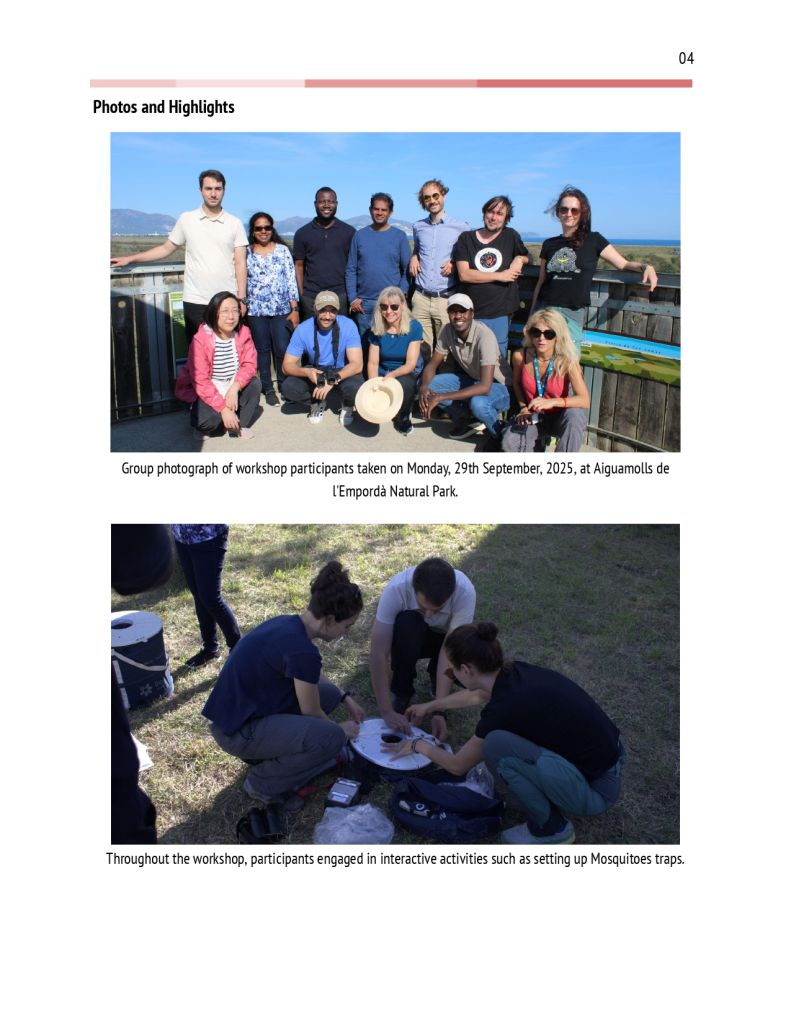


The LILY Workshop, hosted at the Center for Advanced Studies of Blanes (CEAB), Spanish National Research Council (CSIC), took place from September 29 to 30, 2025. The event was funded by COST Action CA23133. This workshop, titled “Field-Based Insights: Surveillance Methods for Nature-Based Solutions (NbS) and Health,” brought together research teams from CSID Lab and CEAB to explore how monitoring and surveillance tools in the field can measure the benefits of nature-based solutions. It focused on hands-on experimentation, data collection, and methodological exchange in vector and biodiversity surveillance, highlighting how environmental monitoring can be operationally linked to public health.
Day 1 – Field Trip to Aiguamolls de l’Empordà Natural Park (29 September 2025)
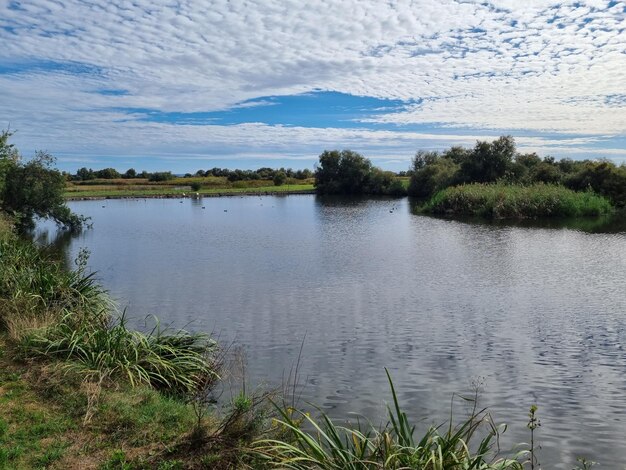
The first day featured a field trip to Aiguamolls de l’Empordà Natural Park, located approximately 120 km north of Blanes. This protected wetland area provided the perfect setting for participants to learn how bird acoustic data and data on mosquitoes are collected to assess disease risks and biodiversity patterns. The park, which includes rice fields, wetlands, and coastal habitats, is a vital area for both biodiversity and public health research.
Key Activities:
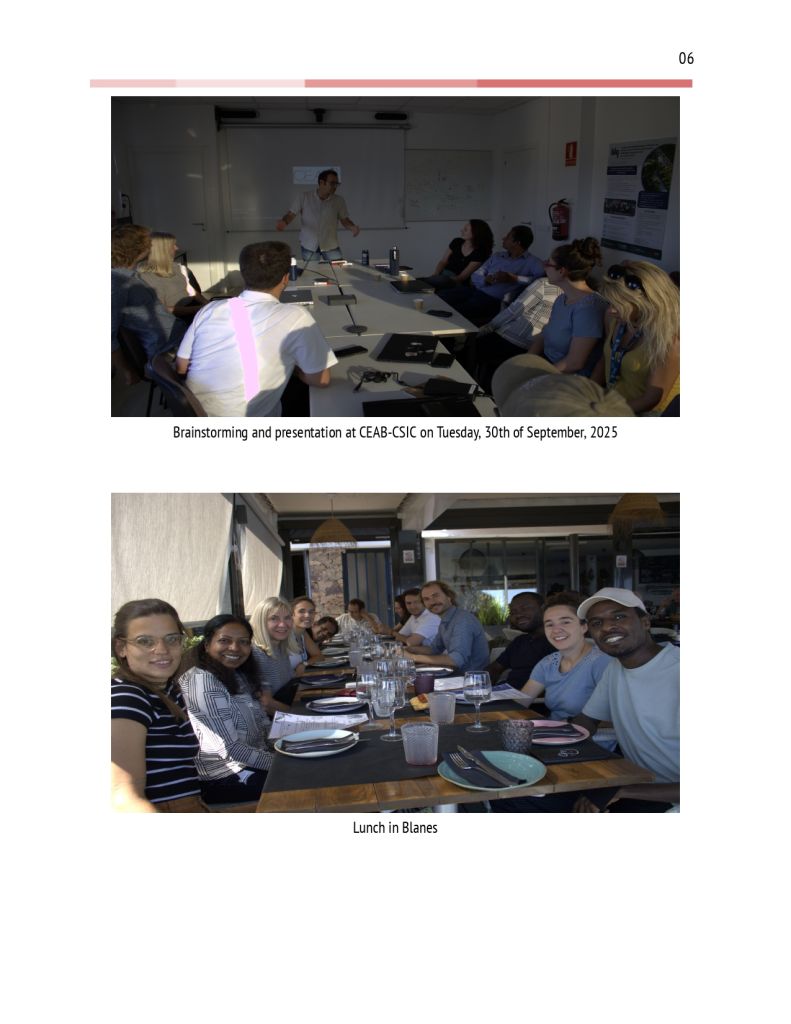
- Bird Acoustic Sensors Deployment: Participants observed the deployment of AudioMoth sensors to capture bird acoustic data, which were then processed using the BirdNET tool to identify bird species. This technique plays a crucial role in understanding avian biodiversity and its potential connections to vector-borne disease transmission.
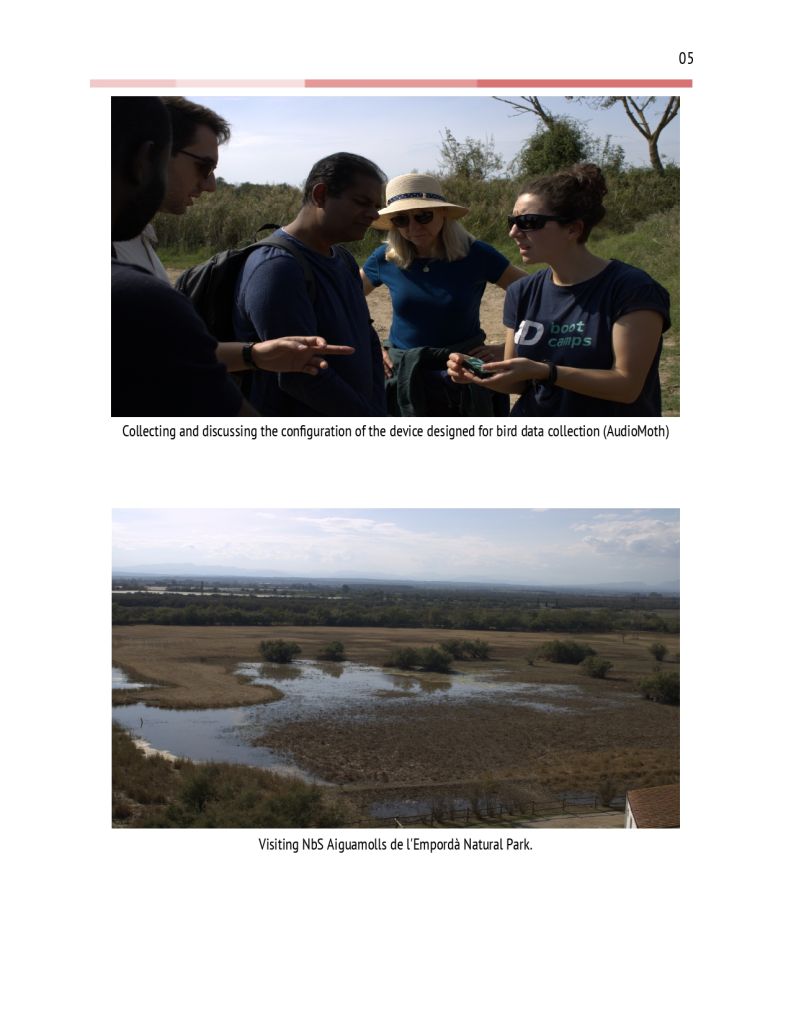
- Mosquito Surveillance: Attendees saw how mosquito traps, using dry ice as an attractor, were set up to capture and analyze mosquito populations. These insects are key vectors for diseases such as malaria and dengue, making their monitoring essential for disease prevention.
- Practical Demonstrations and Discussions: Discussions explored the challenges of ecological health surveillance, including the accuracy of data collection, environmental factors that influence monitoring devices, and the limitations of current methods. Participants also learned how to integrate bird and mosquito data for ecological risk assessments.
The field activities provided a clear understanding of how NbS-based surveillance tools work and the connections between ecosystem health and vector-borne disease risks.
Day 2 – Presentations and Roundtable Discussions (30 September 2025)
The second day of the workshop took place at the CEAB, where participants gathered for presentations, brainstorming sessions, and collaborative discussions. This day was dedicated to sharing knowledge, exploring new research ideas, and addressing the challenges associated with ecological health monitoring.
Presentation Topics Included:
● Field-based infectious disease monitoring.
● Climate–vector–health modelling frameworks.
● Bioacoustic data analysis and biodiversity mapping.
● Methodological innovations in NbS implementation assessment.
Roundtable Discussions:
The roundtable sessions provided a platform for participants to brainstorm and collaborate on future research projects. The key takeaway from the discussion was the harmonization of data collection methods. Participants discussed the importance of following similar surveillance strategies and data collection across different research sites to allow for meaningful data comparison. This includes adopting similar acoustic and entomological data collection protocols to enhance the cross-comparison of data and to understand how ecological factors influence disease risks.
Key Outcomes of the Worshop Include:
- Strengthened Collaboration: The workshop fostered a collaborative environment, leading to new partnerships and research ideas in the field of NbS and health surveillance.
- Improved Understanding of Surveillance Techniques: Participants gained hands-on experience with advanced bioacoustic and vector sampling methods.
- Data Harmonization and Standards: One of the key takeaways was the need for harmonized data collection protocols across different sites. Standardized methods for monitoring birds, mosquitoes, and other ecological indicators are vital for understanding the broader implications of ecosystem health on public health.
- New Research Ideas: The workshop sparked new ideas for integrating biodiversity monitoring with infectious disease modelling, paving the way for innovative research that combines ecological health with disease risk assessment.